
January 14th 2026
Everest Base Camp Trek in March: A Complete Guide to Trekking in Nepal’s Spring Season
The Everest Base Camp Trek in March is one of the most rewarding trekking experiences in Nepal. As winter fades and spring begins, the Himalayas slowly come alive with clearer skies, blooming landscapes, and comfortable trekking temperatures. March marks the start of Nepal’s prime trekking season, making it an excellent time to explore the legendary trail to the base of Mount Everest.
For trekkers seeking stunning mountain views, manageable weather conditions, and fewer crowds compared to peak months like April and October, trekking to Everest Base Camp in March offers the perfect balance of adventure and comfort.
Why March Is an Ideal Time for Everest Base Camp Trekking
March is the beginning of spring in Nepal, and the Everest region benefits greatly from this seasonal transition. The harsh winter cold starts to ease, while the trails gradually reopen after snowfall. Days become longer, sunlight is stronger, and visibility improves significantly as the month progresses.
Unlike the busy peak trekking months, March still offers a sense of serenity on the trail. You can enjoy the beauty of the Khumbu region without feeling rushed or overcrowded, especially during the early weeks of the month.
Weather Conditions on the Everest Base Camp Trek in March
Weather plays a major role in the success of any Himalayan trek, and March is considered one of the safest months in terms of climate. Daytime temperatures at lower elevations such as Lukla and Namche Bazaar are generally pleasant, ranging between 10°C to 15°C. As you gain altitude, temperatures drop, especially at night, but remain manageable with proper gear.
Higher areas like Dingboche, Lobuche, and Everest Base Camp itself can experience daytime temperatures around -5°C to 5°C. Nights are colder, but the weather is relatively stable with minimal rainfall or snowfall compared to winter months.
Clear skies are one of the biggest advantages of trekking in March. Trekkers often enjoy breathtaking views of Mount Everest, Lhotse, Nuptse, Ama Dablam, and other Himalayan giants, particularly in the mornings.
Trail Conditions and Trekking Experience
The Everest Base Camp trail in March is generally in good condition. Some sections at higher altitudes may still have leftover snow from winter, but trails are usually well-defined and safe. Compared to January and February, March offers easier walking conditions and reduced risk of extreme cold.
Teahouses along the route are fully operational during March. You will find warm meals, comfortable accommodation, and friendly hospitality throughout the trek. This makes the journey more enjoyable, especially for first-time trekkers in Nepal.
Scenery and Natural Beauty in March
March brings a gradual transformation of the Everest region. While the upper alpine areas remain rugged and snow-covered, lower elevations begin to show signs of spring. By late March, early rhododendron blooms appear in forests around Namche Bazaar, Tengboche, and Phakding.
The contrast between snowy peaks and emerging greenery creates a visually stunning trekking experience. Sunrise and sunset views over the Himalayas are especially spectacular during this time of year.
Crowds and Trekking Traffic
One of the key advantages of trekking to Everest Base Camp in March is the moderate number of trekkers. The trail is lively but not overwhelming. Compared to April and May, teahouses are easier to book, and popular viewpoints like Kala Patthar are less crowded.
This makes March an excellent month for trekkers who want social interaction without the intensity of peak-season congestion.
Permits and Accessibility
All trekking permits required for the Everest Base Camp trek, including the Sagarmatha National Park Permit and Khumbu Pasang Lhamu Rural Municipality Permit, are easily obtainable in March. Flights to Lukla operate regularly, although occasional weather delays are still possible, especially in early March.
Overall accessibility improves as the month progresses, making late March particularly favorable for smooth travel logistics.
What to Pack for Everest Base Camp Trek in March
Packing properly is essential for a successful March trek. While daytime conditions are comfortable, cold nights and high-altitude environments require warm layers. A good-quality down jacket, thermal base layers, waterproof outerwear, and sturdy trekking boots are crucial.
Trekking poles, gloves, sunglasses, and a four-season sleeping bag are also recommended. Since March has minimal precipitation, heavy rain gear is less critical, but windproof clothing is important at higher elevations.
Is March Suitable for Beginners?
Yes, March is one of the best months for beginners attempting the Everest Base Camp Trek. The moderate temperatures, stable weather, and well-established teahouse infrastructure make it suitable for trekkers with average fitness levels. Proper acclimatization, a gradual itinerary, and guidance from experienced professionals significantly increase success rates.
Final Thoughts: Is Everest Base Camp Trek in March Worth It?
Trekking to Everest Base Camp in March offers an ideal blend of favorable weather, scenic beauty, and manageable trail conditions. It allows trekkers to experience the Himalayas at the start of spring, before peak-season crowds arrive, while still enjoying clear mountain views and comfortable trekking days.
For anyone planning an Everest Base Camp Trek in Nepal, March stands out as a highly recommended month. Whether you are a first-time trekker or an experienced adventurer, this season provides an unforgettable journey to the foot of the world’s highest mountain.
Nov 1st 2024
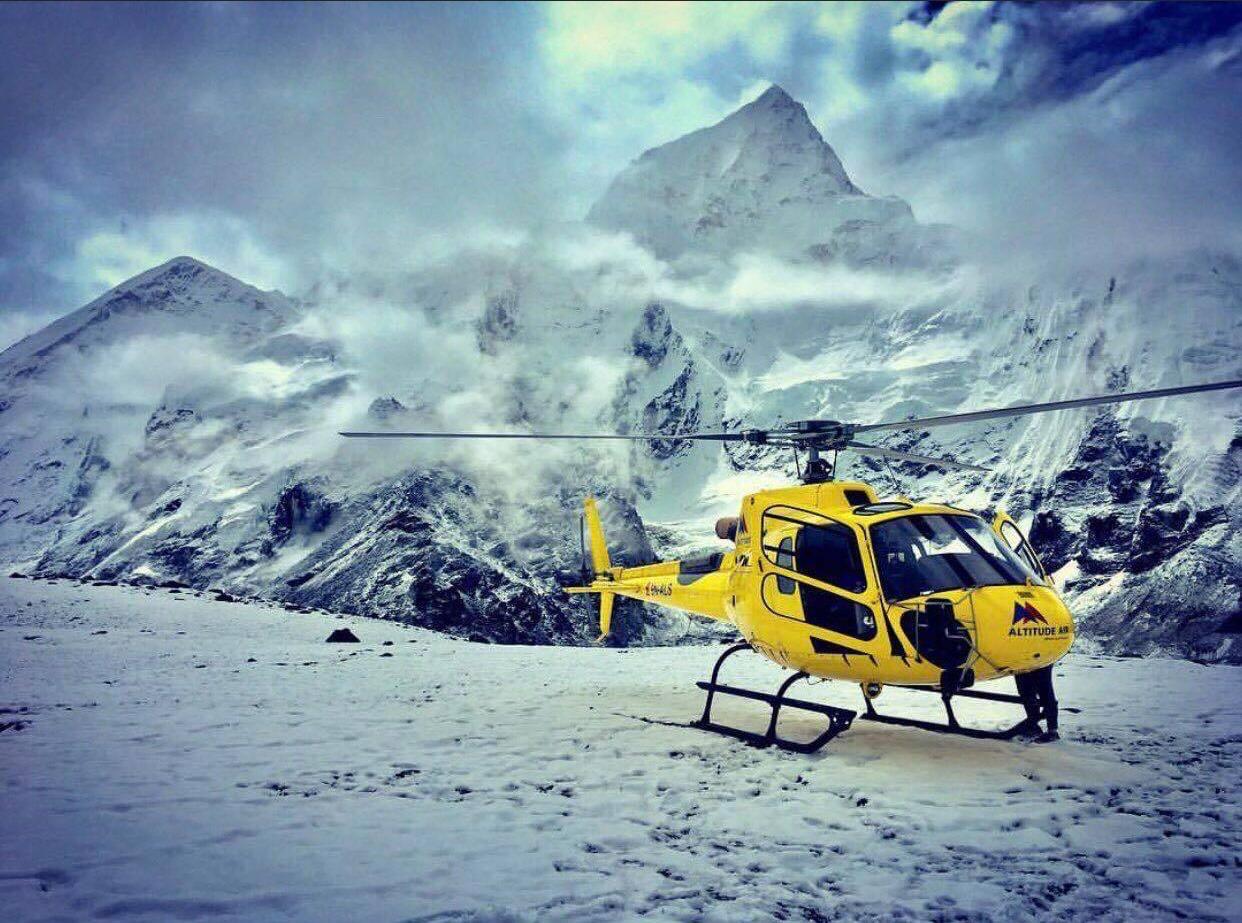
Everest Base Camp Helicopter Tour